Are Dental Crowns Covered by Insurance?
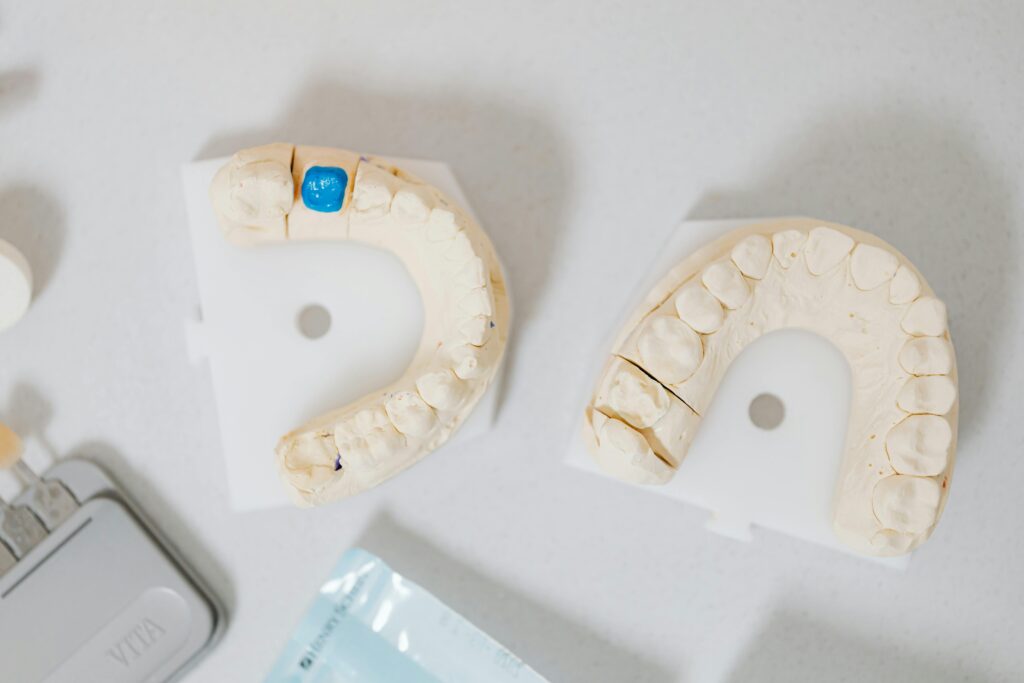
For many patients, the short answer is yes, dental crowns are often covered by insurance, but not always, and rarely at 100 percent. The longer answer is where people get tripped up. Coverage depends on why the crown is needed, what kind of plan you have, whether the tooth can be restored another way, how long you have been on the policy, and sometimes even which material your dentist recommends.
This is one of those dental questions that sounds simple until a treatment estimate lands in your inbox and the numbers do not match what you expected. A patient hears, “Your insurance should help,” and assumes that means the crown is basically taken care of. Then they learn the plan pays only half, excludes the upgraded material on a front tooth, or applies a waiting period because major work is involved. By that point, the tooth may already be cracked, sensitive, or holding a large failing filling, so there is not much room to delay.
Understanding how insurers usually handle Dental Crowns can save you from a nasty surprise and help you make a smarter decision about timing, cost, and treatment options.
Why insurers cover some crowns and deny others
Insurance companies do not look at a crown the way a patient does. Most patients see one thing: a damaged tooth that needs to be fixed. Insurers break it down differently. They ask whether the crown is medically or dentally necessary under the terms of the plan, whether a less expensive restoration could work, and whether the tooth meets the plan’s criteria for major restorative care.
A crown is typically covered when a tooth is structurally compromised. Common examples include a large cavity that leaves too little healthy tooth to support a filling, a cracked tooth, a tooth that has had root canal treatment, or a broken cusp that makes chewing painful or risky. In those cases, the crown is not cosmetic. It is there to protect the tooth and restore function.
Where claims get denied is in gray areas. If the tooth could reasonably be treated with a filling or onlay, an insurer may argue that a full crown is not necessary. If a patient wants to replace an older metal crown with a tooth-colored one purely for appearance, many plans will not pay. If the dentist recommends a more expensive ceramic crown in a back molar and the insurer would have approved a less expensive metal or porcelain-fused-to-metal version, the plan may pay only up to the lower-cost option.
That distinction matters. Insurance often covers the service, but not necessarily the exact version of the service you choose.
What “covered” usually means in real dollars
Dental insurance is not like many medical plans. It tends to have lower annual maximums, narrower benefit categories, and more cost-sharing. Crowns usually fall under “major services,” which often means the insurer pays about 50 percent after deductible, though some plans pay a bit more or less.
If your crown costs $1,200 to $1,800, which is a common range in many areas though local fees vary, a 50 percent benefit does not mean your out-of-pocket cost will always be half. You also have to factor in the plan’s allowed amount, your deductible, whether the dentist is in-network, and whether any part of the procedure is excluded. Some plans also bundle related procedures differently. The core buildup, crown seat, or lab fees may not all be covered in the way a patient assumes they are.
A familiar scenario looks like this. The dental office quotes $1,500 for the crown. The insurer’s allowed fee for that code is $1,200. The plan pays 50 percent of the allowed amount, or $600. The patient owes the remaining $900, plus any deductible or non-covered upgrade. If the annual maximum is nearly exhausted, the plan may pay even less.
This is why two people with “good dental insurance” can receive very different estimates for the same treatment.
The role of waiting periods and annual maximums
Many patients find out about waiting periods only after they need work. Preventive services such as exams and cleanings are often covered right away. Basic services may kick in after a short delay. Major services, including crowns, commonly have waiting periods of six to twelve months on individual plans.
Employer-sponsored group coverage may be better, but it still varies. Some employers waive waiting periods. Others do not. If you just enrolled and your dentist diagnoses a cracked molar two months later, the plan may not help yet, even if the crown would otherwise be a covered benefit.
Annual maximums create another pinch point. A lot of dental plans still carry yearly caps in the range of $1,000 to $2,000. Those numbers have not kept pace with modern treatment costs. One crown can consume a large portion of the year’s benefits by itself. Add a buildup, a root canal, or a second crown, and you can hit the cap fast.
This is where timing sometimes matters. If a case is stable and not urgent, a dentist may discuss splitting treatment across benefit years. That said, this only works when the tooth can safely wait. A tooth with an active fracture or leaking restoration can worsen quickly, and delaying for insurance reasons can turn a crown case into a root canal or extraction case.
Medical necessity versus cosmetic preference
The phrase “medically necessary” gets tossed around often, and in dentistry it has a practical meaning. Insurance usually helps when the crown is needed to restore chewing function, protect weakened tooth structure, or preserve a tooth after major damage. It usually does not help when the main goal is to change the look of otherwise serviceable teeth.
That sounds straightforward, but real cases are messier. Suppose a front tooth has an old dark filling, a visible fracture line, and repeated chipping. A crown may improve appearance, but it may also be the most durable restorative option. In that situation, the dentist’s documentation becomes important. X-rays, chart notes, photos, and a clear clinical explanation can make the difference between approval and denial.
Another example involves worn teeth. A person who clenches or grinds heavily may need crowns as part of a larger rehabilitation plan. Some insurers cover portions of this if there is documented breakdown and functional damage. Others view extensive full-mouth treatment much more narrowly and deny much of it unless policy language specifically supports coverage.
There is no single rule that settles every case. The details matter, and the paperwork matters more than most patients realize.
Crown materials and how they affect benefits
Patients are often surprised that insurance may care what a crown is made of. From a clinical standpoint, material choice depends on the tooth’s location, bite forces, visibility when you smile, underlying tooth color, habits like grinding, and how much tooth structure remains. From the insurer’s standpoint, material choice is often about cost control.
A molar crown might be covered based on the fee for a full-cast metal crown, even if your dentist recommends zirconia or another ceramic option. A front tooth crown may be more likely to receive coverage for a tooth-colored material because aesthetics are considered part of normal restoration in that area. Plans differ, but many still use a “least expensive professionally acceptable alternative” approach. That means they reimburse for the lower-cost acceptable option, and you pay the difference for an upgrade.
Dentists do not recommend materials casually. A patient with a deep bite and heavy grinding may break more fragile ceramics. A patient with a highly visible upper front tooth may be unhappy with a metal-containing option. The right material is not only about the claim. It is about longevity, appearance, and how the restoration behaves under pressure. Insurance can help, but it should not be the sole factor in material selection.
Situations where crown coverage is especially common
Certain clinical Dental Crowns situations are strong candidates for coverage because they fit the standard logic insurers use for major restorative care.
- A tooth has a large cavity or old filling, and there is not enough remaining structure for a reliable new filling.
- A tooth has had root canal treatment and needs cuspal protection to reduce fracture risk.
- A cusp or part of the tooth has broken off, making the tooth weak or painful to chew on.
- A previous crown is failing because of decay at the margin, fracture, or loss of fit.
- A bridge or implant restoration requires a crown component that the plan specifically covers.
Even here, approval is not guaranteed. Insurers may request radiographs, intraoral photos, periodontal information, or proof that the existing crown is beyond repair. But these are the kinds of cases that generally align with standard coverage rules.
When insurance often pushes back
Denials are frustrating, but they are not random. There are recognizable patterns. One is frequency limitation. Many plans will replace a crown only after a set number of years, often five to seven, sometimes longer. If your existing crown is only three years old and you want it replaced because the color bothers you or the margin feels rough, coverage may be denied unless there is strong evidence of failure.
Another issue is missing tooth clauses on older plans or certain limited policies. If a crown is part of a bridge or prosthetic treatment replacing a tooth that was missing before coverage started, benefits may be restricted. This is less common than it used to be, but it still shows up.
Coverage also gets complicated when a tooth has severe structural loss and the treatment plan includes a post, core buildup, crown lengthening, or periodontal work before the crown can be placed. Each step may have separate rules, and not every plan covers every supporting service. Patients often focus on the crown itself, while the associated procedures quietly increase the total bill.
Then there is the issue of alternative treatment. An insurer may say a filling should be tried first, even when the dentist believes a filling would fail quickly. That is an especially frustrating standoff because the dentist is thinking about durability and the insurer is thinking about minimum benefit criteria.
How preauthorization helps, and where it falls short
Many dental offices submit a pre-treatment estimate, sometimes called a predetermination, before starting crown work. This is useful, but it is not a guarantee of payment. It is best thought of as an informed preview.
A preauthorization can reveal whether the crown code is covered, how much the plan expects to pay, whether the deductible applies, whether there is a waiting period, and whether the annual maximum leaves enough room. It can also uncover material restrictions or documentation requests before treatment begins. That is all valuable.
Still, final payment can change. If benefits change before the date of service, if the patient loses eligibility, if the annual maximum is used elsewhere, or if the insurer reviews the final claim differently than the estimate, the amount paid may shift. Most experienced front desk teams explain this carefully because patients sometimes mistake an estimate for a contract.
The smartest approach is to ask for the estimate in writing and review the details line by line. If anything is unclear, ask the office exactly which codes are covered, which fees are estimates only, and what amount you should be prepared to pay if insurance comes in lower than expected.
Questions worth asking before you agree to treatment
Patients who ask a few pointed questions usually make better financial decisions. Not because they challenge the dentist’s diagnosis, but because they understand the path ahead.
You do not need to become an insurance expert overnight. You do need to know whether the crown is considered major care, whether your plan has a waiting period, whether you are close to your annual maximum, and whether the material recommended is fully covered or partially upgraded. It also helps to ask whether a buildup, post, or replacement temporary crown might be billed separately.
One practical detail many people overlook is the network issue. An out-of-network dentist can be an excellent clinician, but your costs may be higher because the insurer reimburses based on a lower fee schedule. Sometimes patients knowingly choose that route because they value a long-standing relationship with their dentist. That is a fair trade-off, but it should be a conscious one.
How to improve the odds of getting the best available benefit
There is no magic phrase that forces a claim through, but there are practical steps that often help.
- Ask the office to submit a pre-treatment estimate with supporting X-rays and photos if the case is not obvious on a radiograph alone.
- Verify your waiting period, annual maximum, deductible, and network status before treatment starts.
- Request clarity on material choices and whether your plan pays for the recommended crown or only a lower-cost alternative.
- If a claim is denied, ask whether an appeal with additional documentation is appropriate.
- If the tooth is stable, discuss whether treatment timing across benefit years could reduce out-of-pocket costs.
That last point deserves caution. Timing can be a useful planning tool, but teeth do not always respect calendar logic. A tooth that feels manageable in November may crack completely over a holiday weekend. Insurance strategy should never override a clear clinical need.
What if your claim is denied?
A denial is not always the end of the story. Sometimes it reflects missing information rather than a final judgment. Dentists and their teams appeal crown denials regularly, especially when the necessity is real but the initial documentation was thin.
A strong appeal may include updated radiographs, photographs showing fracture lines or lost tooth structure, narrative notes explaining why a filling would not be predictable, and records of symptoms such as pain on chewing. If the denial is based on frequency limits, documentation of crown failure is especially important. If it is based on material downgrade, you may not overturn the downgrade, but you can at least understand exactly what portion remains your responsibility.
Patients sometimes wonder whether they should postpone treatment while fighting the denial. That depends on the tooth. If the situation is stable, there may be time. If the tooth is cracked, heavily broken down, or already temporarily restored, delaying can become more expensive than the denied claim itself. This is where a frank conversation with your dentist matters more than optimism about an appeal.
Crowns after root canals, implants, and broken teeth
Some of the most predictable insurance coverage appears in teeth that have undergone root canal treatment. A root canal can remove infection and save the tooth, but the tooth often becomes more brittle and vulnerable to fracture, especially molars and premolars that take heavy chewing loads. Insurers commonly recognize the need for a crown afterward, though exact benefits still depend on the policy.
Implant crowns are a separate category and sometimes a separate headache. Some dental plans cover implant-supported crowns generously, some cover the crown but not the implant body, and some exclude implants altogether while still offering an alternative benefit equal to the cost of a bridge. That distinction can change your out-of-pocket cost dramatically.
For broken teeth, the picture depends on how much tooth is left. A small chip may need bonding only. A larger fracture involving a cusp or undermining old restorations often points toward a crown. If the break is severe and extends below the gumline, the treatment may become more complex, involving crown lengthening or even extraction if the tooth cannot be predictably restored. Insurance may cover portions of that sequence, but not every step equally.
Is a dental discount plan the same thing as insurance?
Not at all, though patients sometimes confuse the two. A discount plan is a membership arrangement that gives access to reduced fees at participating offices. There is usually no annual maximum, no waiting period, and no claim payment from an insurer. You simply pay the discounted rate directly.
For some patients, especially those needing major treatment quickly, a discount plan can be more useful than a low-end insurance policy with long waiting periods and modest annual caps. On the other hand, a strong employer dental plan may still provide better overall value, especially if preventive care and some major work are covered at meaningful percentages.
If you are evaluating options specifically because you expect to need Dental Crowns, compare real numbers rather than marketing language. A plan that “covers crowns” sounds great until you discover the waiting period is twelve months, the annual maximum is $1,000, and the plan downgrades all posterior crowns to a cheaper material allowance.
The practical answer most patients need
Yes, dental crowns are often covered by insurance, but usually as a major service with cost-sharing, limitations, and conditions. Coverage is strongest when the crown is clearly necessary to restore a damaged or weakened tooth. It is weaker when the case is cosmetic, when a cheaper alternative appears possible on paper, or when policy timing and annual limits get in the way.
The best way to approach a recommended crown is with two conversations, one clinical and one financial. First, ask your dentist why the crown is the most predictable choice for that tooth and what could happen if you wait. Second, ask the office and your insurer what your plan is actually expected to pay, based on your current benefits and the specific material being proposed.
That combination, clinical judgment plus benefit verification, is what turns a vague promise of “insurance coverage” into a decision you can make with open eyes. For most people, that is the difference between feeling blindsided and feeling prepared.
Omni Dental Specialty
1690 E Gonzales Rd, Oxnard, CA 93036, United States
+1 805-410-9603
FAQ About Dental Crowns
How long do crowns last on teeth?
A dental crown often lasts about five to fifteen years, although some last longer. Material, the underlying tooth, oral hygiene and grinding habits affect longevity. Regular dental examinations help identify wear, decay or a loose crown; no lifespan is guaranteed.
How much does a tooth crown cost?
There is no single price for every crown. Material, laboratory work, the condition of the tooth and any additional treatment affect the fee. Ask for a written estimate and confirm your insurance benefits, exclusions and out-of-pocket costs before treatment.
What is the downside of crowns on teeth?
A conventional crown usually requires irreversible removal of some tooth structure. Possible problems include sensitivity, chipping, loosening and decay at the crown margin; some teeth later need root canal treatment. Discuss your tooth's condition, material choices and suitable alternatives with your dentist.